 Top Rated in Delhi NCR

10 Eye Symptoms You Should Never Ignore – A Specialist's Guide

Most people visit an eye doctor when they think they need new glasses. Far fewer people go when they genuinely should, when something has changed quickly, or when a symptom has been quietly worsening for weeks and they have been hoping it will resolve on its own.
The eyes are good at compensating. One eye can mask a problem in the other. The brain fills in gaps in the visual field. By the time a symptom becomes impossible to ignore, some conditions have had time to progress that did not need to.
This guide covers the ten symptoms that warrant an eye examination, some urgently, some within days, but none of which should be left indefinitely.
Sudden Loss Of Vision In One Or Both Eyes
This is an emergency. Full stop.
Sudden painless vision loss in one eye can indicate a central retinal artery occlusion effectively a stroke of the eye or a retinal detachment. The window for intervention in both cases is narrow. If blood supply to the retina is interrupted for long enough, or if the detachment progresses to involve the macula, permanent vision loss follows.
Do not wait to see if it improves. Do not wait until morning. Go to the nearest eye emergency facility.
New Floaters, Especially With Flashing Lights
Floaters: those small drifting shadows or specks in your vision are common and usually harmless, especially if they have been present for years. The symptom that should make you pay attention is a sudden increase in floaters, particularly if accompanied by flashes of light.
Flashes occur when the vitreous gel inside the eye pulls on the retina. This can precede a retinal tear or detachment. A new shower of floaters after a flash of light is a classic presentation. It needs to be assessed the same day.
Eye Pain
Significant eye pain is not the low-grade irritation of dry eye, but genuine, sharp, aching, or throbbing pain inside or around the eye needs proper evaluation.
Acute angle-closure glaucoma causes severe eye pain often accompanied by headache, nausea, rainbow halos around lights, and blurred vision. This is a glaucoma emergency that causes rapid, irreversible damage without treatment.
Scleritis inflammation of the white wall of the eye causes a deep, boring ache that is often severe enough to disrupt sleep.
Orbital cellulitis infection spreading into the eye socket causes pain with eye movement, swelling of the surrounding tissues, and sometimes fever.
None of these should wait.
Double Vision
Seeing two images instead of one whether constantly or intermittently is a symptom the eye alone rarely causes. Double vision that persists when one eye is covered usually indicates a problem with the muscles or nerves controlling eye movement. This can be a sign of thyroid eye disease, myasthenia gravis, a third or sixth nerve palsy, or occasionally an intracranial event. Sudden onset double vision deserves urgent neurological and ophthalmological assessment.
Significant Or Increasing Redness With Pain Or Vision Change
A mildly red eye after a dusty day or poor sleep is not concerning. Redness that is severe, that is accompanied by significant discharge, that hurts, or that is affecting your vision is different. Acute anterior uveitis inflammation inside the eye causes redness concentrated around the cornea, light sensitivity, and aching pain. Corneal ulcers, often from contact lens complications, cause intense pain and photophobia. Both require prompt treatment.
Changes In Peripheral Vision
Glaucoma is called the silent thief of sight for a reason. It destroys peripheral vision first slowly, over years and because the remaining central vision compensates so effectively, patients often lose more than half their visual field before noticing anything.
If you are occasionally bumping into things on one side, missing objects in your side vision, or have family members with glaucoma, a visual field check and optic nerve assessment is overdue.
Blurred Vision That Comes And Goes
Intermittent blurring that clears when you blink suggests dry eye or a tear film problem. Blurring that is not clear, or that comes and goes independently of blinking, is more concerning.
Fluctuating vision in diabetic patients can indicate changes in blood sugar affecting the lens but it can also signal early diabetic macular oedema. Blurring in one eye that lasts minutes before clearing can represent a transient ischaemic attack affecting the eye's blood supply. Both warrant evaluation.
Unusual Appearance Of The Eyelids Or Eye
Sudden swelling around one eye, a rapidly growing lump on or around the eyelid, a drooping eyelid that appeared recently, or visible pulsation around the eye are not normal findings. Eyelid tumours, orbital lesions, and vascular abnormalities can all present this way. Early assessment usually means simpler management.
Eye Symptoms In Children
Children cannot always articulate vision problems. The signs you are looking for include: one eye drifting inward or outward, squinting or closing one eye to see better, tilting or turning the head when looking at things, sitting very close to screens, frequent eye rubbing, and school performance that does not match the
child's apparent intelligence.
Amblyopia lazy eye and childhood strabismus are treatable conditions that become progressively harder to address with age. Vision develops rapidly in the first years of life. Any concern in a child's eyes should be assessed promptly.
Eye Problems In Patients With Diabetes
Diabetic retinopathy has no symptoms in its early stages. The retinal changes that eventually cause vision loss are happening silently, years before the patient notices anything. By the time vision deteriorates, the disease is often advanced.
Every diabetic patient Type 1 or Type 2 should have a dilated retinal examination at least once a year. If you have not had one in the past twelve months, that appointment is overdue regardless of how clear your vision feels right now.
Emergencies Versus Urgent Appointments
Emergencies see an eye facility today, do not wait:
• Sudden vision loss in one or both eyes
• New floaters with flashing lights
• Severe eye pain with nausea or rainbow halos
• Eye injury or chemical splash
• Sudden double vision, especially with other neurological symptoms
Urgent appointment within two to three days:
• New floaters without flashing lights (still needs assessment)
• Moderate eye pain without other emergency features
• Rapidly increasing redness with discharge
• Sudden change in visual quality not explained by tired eyes
Routine but important within two to four weeks:
• Gradual vision change
• Chronic redness with no acute features
• Eyelid lump that has been present weeks without change
• Any of the childhood vision signs mentioned above
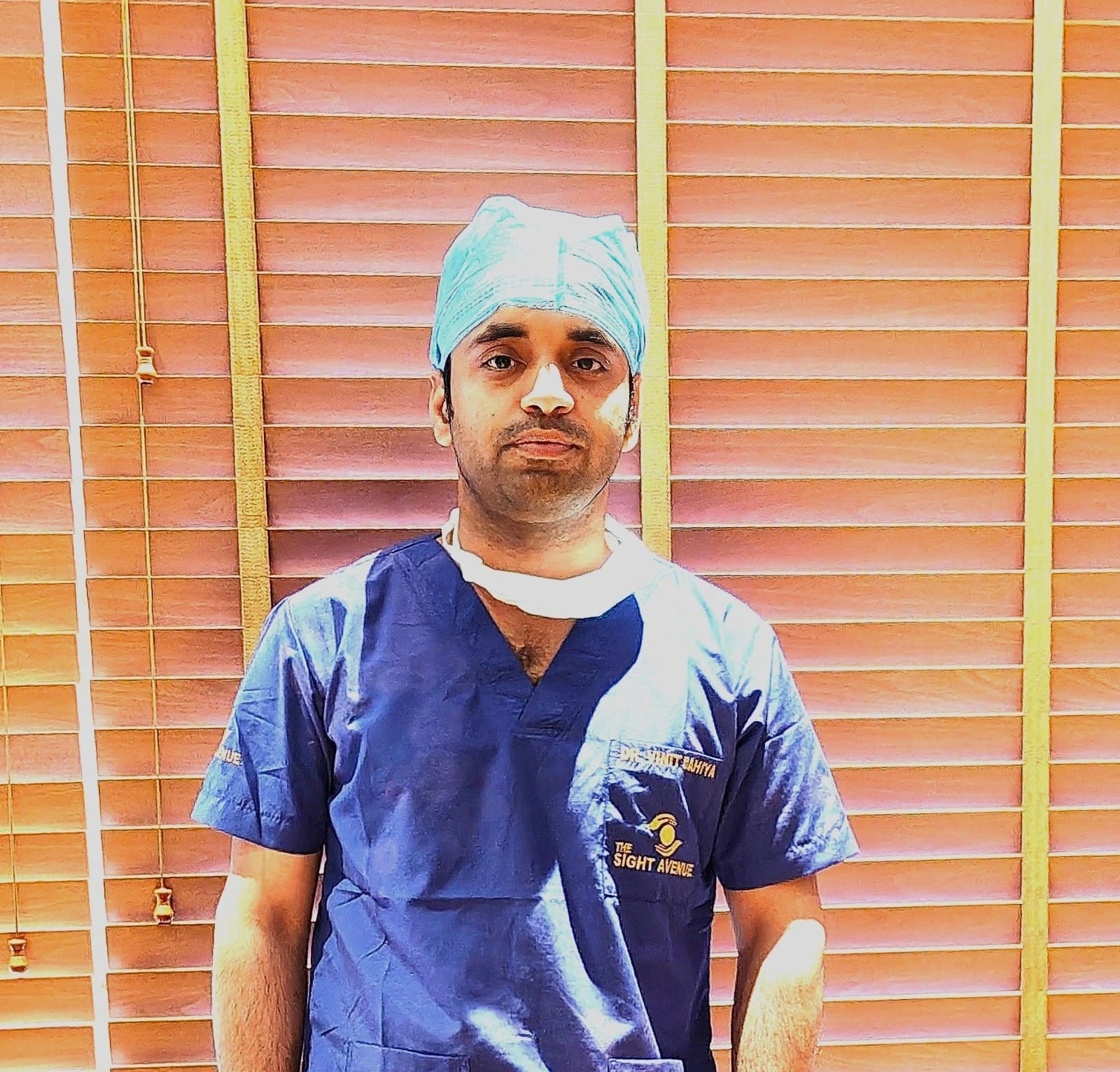
About the Specialist
Recent Post




FREQUENTLY ASKED QUESTIONS
A: Sudden vision loss in one or both eyes, new floaters with flashing lights, severe eye pain with nausea or halos around lights, significant eye injury, and sudden double vision need emergency assessment. These symptoms can indicate conditions of retinal detachment, acute glaucoma, retinal artery occlusion where delayed treatment results in permanent, irreversible damage. Do not wait for a routine appointment. Contact an eye emergency service or attend a hospital with ophthalmology on call.
A: It depends on the cause and how quickly treatment is initiated. A retinal detachment that has not yet reached the macula can be repaired surgically with good visual outcomes. Central retinal artery occlusion has a very narrow treatment window hours, not days and visual recovery even with prompt treatment is limited. The consistent message is that speed matters. Any sudden visual change should be treated as an emergency until assessed by a specialist.
A: Flashes of light in the peripheral vision are most commonly caused by the vitreous gel inside the eye pulling on the retinal surface as it ages and shrinks. This is called posterior vitreous detachment and is usually benign. However, when flashes are accompanied by a sudden increase in floaters, a shadow or curtain across part of the vision, or any vision loss, it can indicate a retinal tear or early detachment which requires urgent evaluation. Any new, unexplained flashes should be assessed within twenty-four hours.
A: Not always mild irritation, surface dryness, or eyestrain from prolonged screen use causes discomfort that is not dangerous. But significant eye pain, sharp, aching, or throbbing pain inside or around the eye especially when it comes with redness, vision changes, light sensitivity, or halos around lights, needs proper evaluation. Acute angle-closure glaucoma, scleritis, uveitis, and corneal infections all cause significant pain and require treatment that cannot wait.
A: Adults with no symptoms and no risk factors should have a comprehensive eye examination every one to two years. Adults with diabetes, a family history of glaucoma, high myopia, or previous eye conditions should be seen at intervals recommended by their ophthalmologist typically annually. Children should be assessed before starting school and periodically thereafter. An eye examination is not only about updating your spectacle prescription, it is the primary way to detect glaucoma, early macular disease, diabetic retinopathy, and other conditions before they cause symptoms.
Eye problems? Searching for an eye specialist near me in Delhi NCR? The Sight Avenue has 5 eye clinics in Delhi NCR. Contact us today!
Eye Hospital in Delhi
- The Sight Avenue
- The Sight Avenue
- The Sight Avenue
E-82-A, Ground Floor, Hansraj Gupta Rd, Greater Kailash I, New Delhi, Delhi 110048
Email:enquiry@thesightavenue.com
Tel : 011-4666 0666
Mob : +91-8883330799
Fortis Hospital, Escorts Okhla, New Delhi
Fortis Hospital, Vasant Kunj, New Delhi